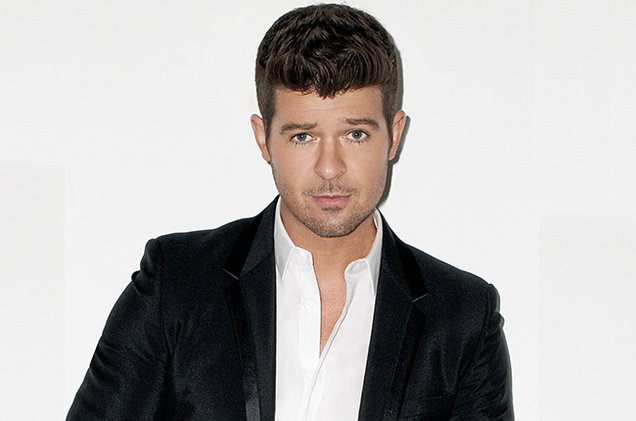
On March 26, 2013, Star Trak Recordings, which is operated by popular rapper/producer Pharrell Williams, released a track written and performed by Robin Thicke titled Blurred Lines. The track peaked at number one in over 25 countries. This track was Thicke’s first number one single in the US on the ARIA Singles Chart, and it was also the longest number one single of 2013.
The song’s percussion ideas were mainly inspired by the 1977 hit song by Marvin Gaye titled Got to Give it Up. In August 2013, Gaye’s family claimed that Pharrell and Robin Thicke’s hit song infringed copyrights on Got to Give it Up. In March 2015, a Los Angeles jury decided that Pharrell and Robin Thicke ripped off Marvin Gaye’s song. Robin and Pharrell had to pay Gaye’s family USD$7.3 million in damages for copyright infringement.
Copyright can be defined as the bundle of legal rights which an artiste owns in relation to their work. The owner of the copyright has the ability to control who can copy their work and how their work can be used. The owner also has the power to grant or refuse permission to persons who wants to use their music. Copyright in music usually lasts for the life of the artiste plus another 70 years after they die in the North American jurisdiction. Copyright infringement is the violation of an individual or organisation’s copyright.
As a young artiste coming up in the industry you should always protect your music by copyright. This should be done so that other producers and artiste are recognised and compensated for their work. As a young artiste, with copyright you are in no danger of being exploited and if someone tries to use your work without your permission, you can take that party to court and seek to be paid for damages caused by the copyright infringement. It is safe to say that copyright is like a shield from exploitation from other artiste and organisations. Copyright registration is a very simple and inexpensive process and, as a result, it is in the artiste’s best interest to register their work as soon as they make it.
Sampling the Industry
Nowadays it seems almost every producer for example Chicago native producer Ernest No ID Wilson is taking a portion of somebody else’s track. This process is known as sampling. In music terms, sampling is when the artiste or producer takes a portion of a existing sound recording, reusing it as an instrument or element in a brand new recording. In order to use a sample from someone else’s track, you need their permission first, because of copyright.
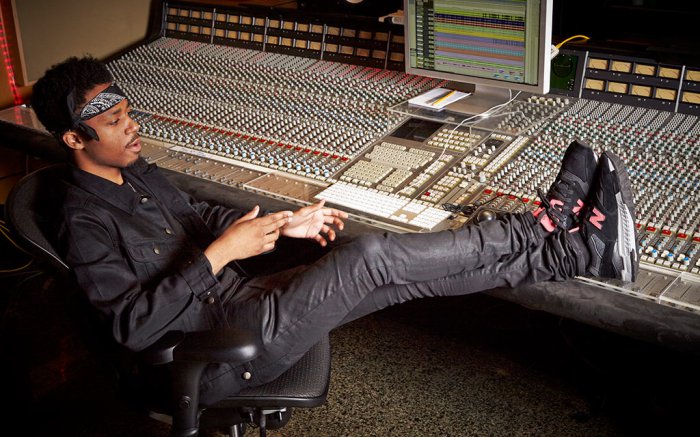
Missouri native producer Leland Wayne, more popularly known as Metro Boomin, is famous for sampling other person’s work. Mask off a song released April 18,2017, which was performed by American Rapper Future, was produced by Metro Boomin and contained a sample from Prison Song by Tommy Butler. American Rapper Kanye West is also big on sampling other records ever since his first album The College Dropout. Today when you listen to any new songs, you will realise that it contains a sample, but before you sample a record, ensure to get permission from that person or organisation first, or be prepared to enter a long legal battle in court.
Below are the music videos for Robin Thicke’s single Blurred Lines and Marvin Gaye’s single Got to Give it Up.
https://www.youtube.com/watch?v=OyjB_0s5wPI
The videos and photos were sourced online and are not owned by Matthew Leiba.
 booth.music.blog
Leave a comment